Anxiety disorders affect nearly 29% of the entire population, making natural anxiety relief an increasingly important topic for millions of people worldwide. When anxiety strikes, it can interfere with normal daily activities, affecting work, home, and personal life. Many of us seek alternatives to prescription medications, looking for gentler approaches that still provide effective relief.
In fact, research shows several natural remedies for anxiety can be remarkably effective. A 2021 study found that people with physically active lifestyles have about a 60% lower chance of developing anxiety symptoms. Additionally, specific herbs like chamomile have shown promise in clinical trials, with a 2016 study revealing it may be a powerful ally against generalized anxiety disorder. Furthermore, weighted blankets have demonstrated benefits for alleviating anxiety symptoms, while certain lifestyle changes can significantly impact our nervous system’s response to stress.
Throughout this guide, we’ll explore various natural ways to reduce anxiety—from herbal remedies and essential oils to breathing techniques and nutritional approaches. Whether you’re dealing with occasional stress or a diagnosed anxiety disorder, we’ll help you build a personalized toolkit of holistic anxiety management strategies that can complement or potentially replace conventional treatments.
Table of Contents
What Is Natural Anxiety Relief and Why It Works
“Thousands of tired, nerve-shaken, over-civilized people are beginning to find out that going to the mountains is going home; that wildness is a necessity.” — John Muir, Naturalist, author, and early advocate for the preservation of wilderness in the United States
Natural anxiety relief encompasses non-pharmaceutical approaches that help manage anxiety symptoms without prescription medications. Unlike conventional treatments, these methods focus on holistic anxiety management using the body’s natural responses and plant-based remedies.
According to the National Institute of Mental Health, anxiety disorders affect approximately 40 million adults in the United States—a staggering 18% of the population. Yet, only about one-third of those suffering seek professional treatment. This gap has prompted many to explore alternative anxiety treatments that complement or sometimes replace traditional options.
The effectiveness of natural remedies for anxiety stems from their impact on multiple body systems. Many herbs work by altering signal processing in the brain—valerian root extracts, for instance, may modulate gamma-aminobutyric acid (GABA) receptors, potentially alleviating anxiety. Similarly, ashwagandha has been shown to reduce cortisol (the stress hormone) levels in the blood.
Moreover, natural anxiety remedies often target the gut-brain connection. Research indicates that about 95% of serotonin receptors are found in the gut lining, highlighting why dietary changes can profoundly affect mood and anxiety levels. Complex carbohydrates, found in whole grains and vegetables, are metabolized slowly, maintaining even blood sugar levels and creating a calmer feeling.
Beyond herbs and nutrition, physical activity has remarkable anxiety-reducing effects. A 2021 study discovered that physically active people have approximately 60% lower chance of developing anxiety symptoms compared to sedentary individuals. Exercise diverts attention from worrisome thoughts and changes brain chemistry by boosting anti-anxiety neurotransmitters like serotonin and GABA.
Mindfulness practices represent another effective approach. By focusing on the present moment, meditation helps identify thoughts non-judgmentally, leading to reduced anxiety through improved tolerance of difficult emotions.
Although natural doesn’t always mean safe, these approaches offer promising alternatives for those seeking non-medication anxiety relief, especially when used with proper guidance and professional consultation.
Herbal Remedies for Calming Anxiety Naturally
Herbal remedies have been used for centuries as natural anxiety remedies, with several plants showing promising results in scientific studies. These gentle alternatives offer relief without many of the side effects associated with prescription medications.
Chamomile, Lemon Balm, and Passionflower
Chamomile stands out among herbs for anxiety, with studies showing it can effectively lessen anxiety symptoms through short-term use. This daisy-like flower works as a mild sedative, making it particularly helpful for those experiencing generalized anxiety disorder.
Lemon balm, a mint relative with a lemony fragrance, has demonstrated remarkable anxiety-reducing properties. Research indicates it can decrease symptoms of worry and excitability. Notably, a 2018 study found that lemon balm supplements reduced anxiety, depression, and insomnia symptoms in people with heart conditions. This herb works by inhibiting GABA transaminase activity, consequently increasing calming GABA levels in the brain.
Passionflower boosts GABA levels in the brain, promoting relaxation. Clinical trials have found passionflower comparable to oxazepam (an anti-anxiety medication) in reducing anxiety symptoms but without impairing performance or causing adverse effects like amnesia. Primarily used for restlessness, nervousness, and anxiety, passionflower can be taken as tablets or liquid tinctures.
Valerian Root and Its Sleep-Anxiety Connection
Often called “nature’s Valium,” valerian root creates a powerful bridge between sleep and anxiety relief. This strong-smelling herb functions as both a nervous system relaxant and sleep aid. Many studies suggest valerian improves sleep quality without causing morning grogginess, with recommended doses between 400-600 milligrams taken up to two hours before bedtime.
Interestingly, valerian’s anxiety-relieving effects stem from its ability to modulate GABA receptors, similar to prescription anti-anxiety medications. A 2021 study found significant reductions in anxiety symptoms when participants took 530 mg of valerian root one hour before bedtime for one month.
Safety Tips When Using Herbal Remedies
Despite their natural origins, herbal remedies require careful consideration:
- Consult healthcare providers before starting any herbal supplement, particularly if you take other medications or have existing health conditions
- Avoid herbal remedies during pregnancy and breastfeeding unless specifically approved by your doctor
- Remember that the FDA doesn’t monitor herbal supplements the same way as medications, so quality may vary
- Start with small amounts to observe how your body responds
- Never combine herbs with similar medications (especially anti-anxiety drugs, antidepressants or sedatives)
These natural remedies provide viable options for those seeking holistic anxiety management approaches outside of conventional medicine.
Essential Oils for Stress and Anxiety Relief
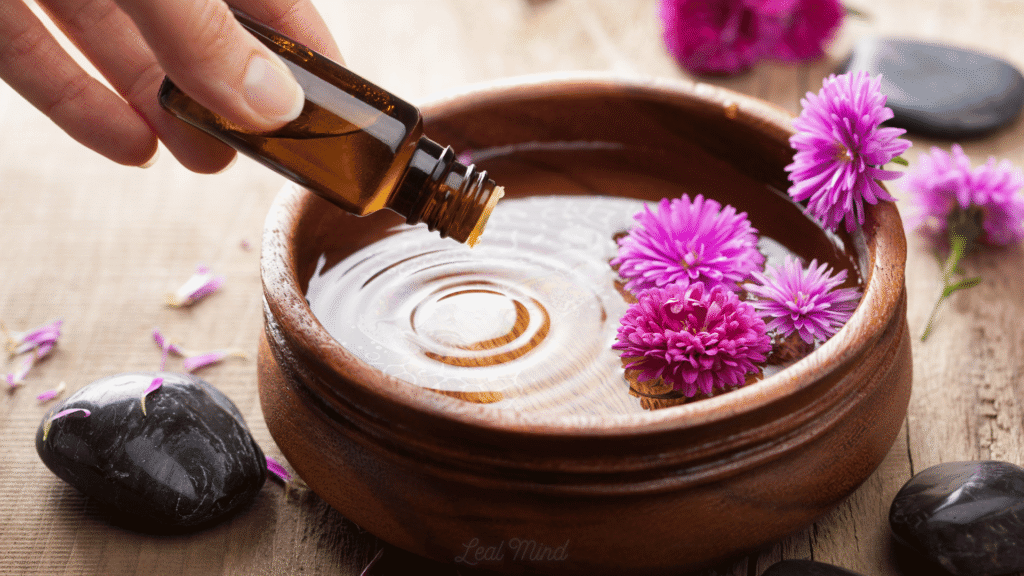
Essential oils offer another powerful approach to natural anxiety relief, working through our sense of smell to trigger powerful emotional responses. These concentrated plant extracts interact directly with the limbic system—the brain region responsible for emotional processing and memory recall.
Top Oils for Calming the Mind (Lavender, Bergamot, Frankincense)
Lavender stands as the most extensively studied essential oil for anxiety, appearing in approximately 30% of research studies. Clinical trials demonstrate its ability to lower anxiety in patients undergoing coronary artery bypass surgery and dental visits. Lavender works by affecting the limbic system, potentially decreasing anxiety through its sedative properties.
Bergamot orange essential oil, extracted from the Citrus bergamia tree, has shown remarkable anxiety-reducing effects. A 2020 study revealed bergamot oil helped reduce pre-surgical anxiety when used before procedures. Its bright, uplifting scent may help lower heart rate and blood pressure during stressful situations.
Frankincense provides spiritual grounding and tranquil energy. Often used for deepening meditation, it promotes relaxation and helps quiet an anxious mind. When combined with bergamot and lavender in a 1:1 ratio, frankincense demonstrated positive effects on depression in hospice patients with terminal cancer.
How to Use Essential Oils Safely and Effectively
Essential oils can be applied through three primary methods:
Aromatherapy/Inhalation: Most effective for immediate anxiety relief, affecting the limbic brain directly. Use diffusers, direct inhalation, or place a few drops on a tissue.
Topical Application: Always dilute with a carrier oil (like jojoba or sweet almond). For adults, use 15 drops per ounce of carrier oil; for children, use only 3-6 drops per ounce.
Aromatherapy for Anxiety: Does Science Back It?
Indeed, research supports aromatherapy’s effectiveness. A review of 76 randomized controlled trials across 15 countries found that 70% of studies reported positive effects on stress and anxiety post-intervention. Nevertheless, scientists note high variability in application methods and dosages.
Another comprehensive analysis demonstrated essential oils effectively reduce both state anxiety and trait anxiety, making them valuable tools in a holistic anxiety management approach.
Healing Through Food: Anti-Anxiety Nutrition
What we eat plays a fundamental role in managing anxiety, with certain foods directly impacting our brain chemistry and stress response. Research consistently shows that dietary choices can either worsen or improve anxiety symptoms, making nutrition a powerful tool for natural anxiety relief.
Best Foods to Reduce Anxiety Naturally
Several nutrients stand out for their anxiety-reducing properties. Fatty fish like salmon, mackerel, and sardines contain omega-3 fatty acids that have been linked to lower anxiety rates. These healthy fats help reduce inflammation associated with anxiety and depression.
Magnesium-rich foods such as leafy greens, avocados, and nuts help regulate the body’s stress response. In fact, studies show diets low in magnesium may increase anxiety-related behaviors.
Other beneficial foods include:
- Probiotic-rich foods like yogurt and fermented products that support gut bacteria and may reduce anxiety
- Dark chocolate containing flavonols that act as antioxidants and may benefit brain function
- Green tea with L-theanine that significantly lowers subjective stress and decreases cortisol levels
- Foods high in B vitamins such as eggs, avocados, and lean meats
The Gut-Brain Axis and Mood Regulation
The connection between gut and brain is remarkably strong—approximately 95% of serotonin receptors are found in the gut lining. This gut-brain axis forms a bidirectional communication network linking the enteric and central nervous systems.
Importantly, the gut microbiome extensively influences this relationship. Research shows that fluctuations in gut bacteria directly affect emotional and cognitive centers in the brain. Therefore, maintaining healthy gut bacteria through diet may significantly impact mental health and anxiety levels.
Caffeine, Sugar, and Foods to Avoid for Calm
Certain substances can trigger or worsen anxiety symptoms. Caffeine, though safe in low doses, can exacerbate anxiety in susceptible individuals. The FDA recommends limiting caffeine to 400 mg daily (roughly 4 cups of coffee).
Equally crucial, foods high in refined sugar cause blood sugar to spike then crash, increasing stress and anxiety. Hidden sugars lurk in many foods—even a half-cup of store-bought tomato sauce can contain 3 teaspoons of sugar.
Furthermore, alcohol, though often used to “calm nerves,” can worsen anxiety over time. The beverage changes levels of serotonin and other neurotransmitters, making anxiety symptoms more pronounced.
To maintain steadier mood and lower anxiety, obviously prioritize whole, unprocessed foods while limiting caffeine, alcohol, refined carbohydrates, and added sugars. These dietary adjustments, combined with other natural approaches, provide a foundation for holistic anxiety management.
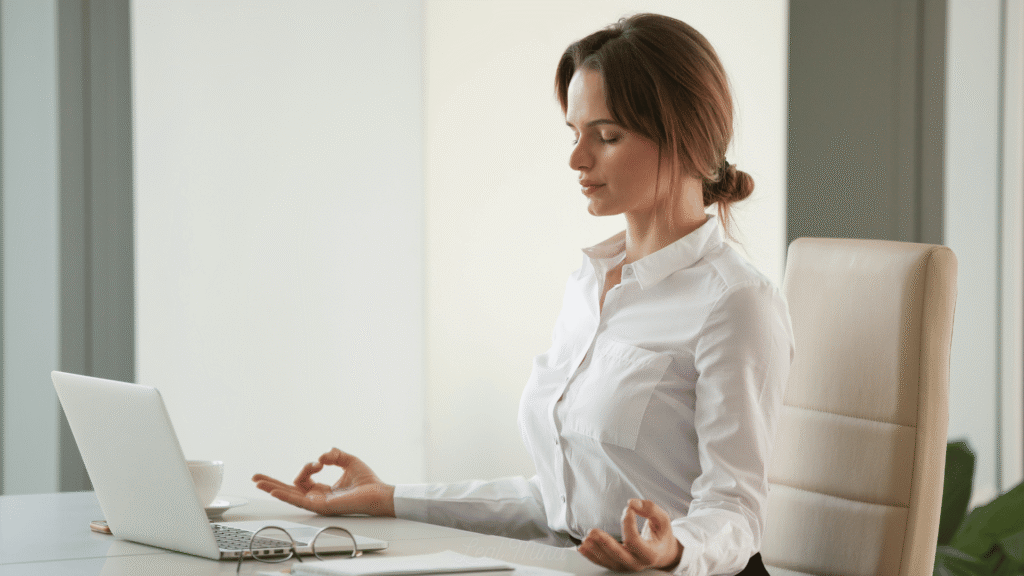
Breathwork and Mindfulness for Holistic Relief
Beyond herbs and nutrition, powerful anxiety-reducing techniques require nothing more than your own breath and attention. These accessible practices offer immediate relief during anxious moments while building long-term resilience.
4-7-8 Breathing and Deep Diaphragmatic Techniques
The 4-7-8 breathing technique, developed by Dr. Andrew Weil and based on ancient yogic pranayama, works as a “natural tranquilizer for the nervous system”. This simple practice involves:
- Exhaling completely through your mouth with a whooshing sound
- Inhaling silently through your nose for 4 seconds
- Holding your breath for 7 seconds
- Exhaling through your mouth for 8 seconds, making another whooshing sound
Research shows diaphragmatic breathing effectively reduces physiological and psychological stress. Within minutes, it lowers cortisol levels and activates the vagus nerve, shifting your body from fight-or-flight to a relaxation response.
Guided Meditations and Quick Mindfulness Exercises
Mindfulness-Based Stress Reduction (MBSR), a research-backed 8-week program, has effectively reduced symptoms even in those with generalized anxiety disorder and panic disorder. At its core, mindfulness helps by creating space around worries so they don’t consume you.
For immediate relief, try the “three senses” exercise: notice three things you can hear, three things you can see, and three things you can feel. This simple practice instantly grounds you in the present moment, making it nearly impossible to remain anxious.
Gratitude Journaling and the Science of Stillness
Alongside breathing and meditation, gratitude journaling offers remarkable benefits for anxiety management. A recent study found that participants who maintained a gratitude writing practice showed decreased stress and negative affect one month after intervention. Unlike expressive writing that processes negative emotions, gratitude writing generates positive emotions that attenuate distress.
To implement this practice, spend 5-10 minutes daily writing about things you’re grateful for. This simple habit builds emotional resilience by helping you focus on positive aspects of life and combat negative ruminations with optimistic thoughts.
Movement and Lifestyle Changes That Ease Anxiety
“Go outside. Don’t tell anyone and don’t bring your phone. Start walking and keep walking until you no longer know the road like the palm of your hand, because we walk the same roads day in and day out, to the bus and back home and we cease to see.” — Charlotte Eriksson, Author and musician known for her work on mindfulness and self-discovery
Physical movement stands as one of the most powerful natural anxiety remedies available to us. Research consistently shows that regular exercise can be as effective as medication for mild to moderate anxiety disorders.
How Exercise Activates the Vagus Nerve
The vagus nerve—a key component of our parasympathetic nervous system—plays a crucial role in natural anxiety relief. When stimulated through exercise, this nerve helps counter our stress response and promotes calm. Endurance activities like jogging, swimming, and cycling particularly boost vagal tone. These activities trigger hormonal responses that benefit both brain and mental health, subsequently decreasing cortisol levels while increasing feel-good neurotransmitters.
Research indicates that exercise stimulates the body to produce serotonin and endorphins—brain chemicals that naturally elevate mood and reduce anxiety symptoms. Hence, physical activity becomes a direct pathway to activating our body’s built-in anxiety management system.
Yoga and Walking as Daily Anxiety Buffers
Yoga combines mindful movement with controlled breathing, creating a powerful natural treatment for anxiety. One study found that women who completed 12 sessions of hatha yoga experienced significant reductions in stress, anxiety, and depression. Yoga also stimulates the vagus nerve through diaphragmatic breathing, thereby enhancing its anxiety-reducing effects.
Walking, meanwhile, offers an accessible form of movement that requires no special equipment yet provides substantial benefits. Even a 10-minute walk can deliver several hours of anxiety relief—comparable to taking an aspirin for a headache. Furthermore, walking outdoors adds the bonus of natural light exposure, which further reduces anxiety symptoms.
Creating a Daily Calm Routine That Sticks
To establish a sustainable anxiety-reducing routine:
- Morning options: 10-minute yoga sequence, brief walking meditation, or light stretching
- Midday breaks: Take 5-minute walking breaks every 1-2 hours or try desk stretches
- Evening practices: Gentle stretching, restorative yoga, or a post-dinner walk
For beginners, consistency matters more than intensity. Start with just 5-10 minutes daily—research shows even brief sessions can stimulate anti-anxiety effects.
Lifestyle Triggers That Worsen Anxiety (and What to Do)
Certain lifestyle factors can dramatically intensify anxiety symptoms, often acting as silent culprits behind recurring distress. Recognizing these triggers represents a crucial step in developing effective natural anxiety relief strategies.
Poor Sleep, Digital Overload, and Social Pressure
Sleep quality directly impacts anxiety levels, with research showing approximately 64.5% of adolescents sleep less than 8 hours during weekdays. This sleep deficit creates a vicious cycle—anxiety disrupts sleep, and poor sleep intensifies anxiety symptoms.
Digital overload, particularly excessive social media use, frequently triggers anxiety through several mechanisms. Studies reveal 70% of people report using social media after getting into bed, while approximately 21% wake up to check their phones during the night. This behavior stems partly from FOMO (fear of missing out)—the perception of missing enjoyable experiences. Crucially, research demonstrates that screen time before bed disrupts natural sleep cycles through blue light exposure, which stimulates parts of the brain that make us feel alert.
Creating an Anxiety-Friendly Environment
Your home environment plays a pivotal role in managing anxiety. For optimal sleep, maintain bedroom temperatures between 60-67°F and minimize light exposure using blackout curtains. Interestingly, color psychology affects mood—soft, muted tones like pale blues and warm neutrals create calming spaces.
Noise management proves equally important, as external sounds can trigger stress responses. Consider using white noise machines or earplugs if necessary. Creating designated relaxation corners with comfortable seating and personal meaningful objects offers sanctuary during anxious moments.
Nature Therapy and Grounding in Daily Life
Spending time in nature provides remarkable anxiety relief, with research showing that just 120 minutes weekly improves overall wellbeing. Even more compelling, a 90-minute nature walk lowers activity in brain regions linked to negative thoughts.
Grounding techniques offer immediate relief during anxiety episodes. The 5-4-3-2-1 exercise—identifying 5 objects, 4 sounds, 3 textures, 2 smells, and 1 taste—effectively redirects attention from distressing thoughts to present-moment awareness. Other effective approaches include holding ice cubes or walking barefoot on grass, both of which create strong sensory experiences that interrupt anxiety cycles.
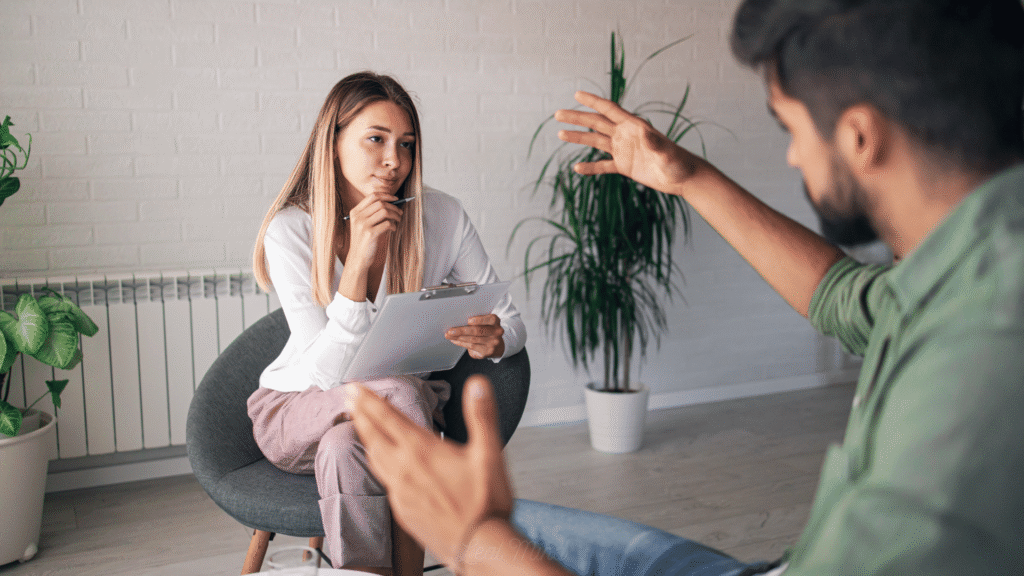
When Natural Isn’t Enough: Seeking Professional Help
First and foremost, while natural anxiety remedies offer substantial relief for many, recognizing when professional help becomes necessary marks a crucial step in effective anxiety management.
Signs You May Need Clinical Support
In reality, certain warning signs indicate when natural approaches alone may not suffice:
- Anxiety that significantly interferes with daily functioning
- Persistent symptoms lasting longer than two weeks
- Panic attacks that occur regularly
- Anxiety accompanied by depression or suicidal thoughts
- Physical symptoms that worsen or don’t improve
Most compelling evidence suggests seeking professional help doesn’t mean abandoning natural approaches—rather, it represents acknowledging that anxiety exists on a spectrum, with some cases requiring clinical intervention alongside holistic methods.
Combining Natural and Professional Treatment Approaches
Integrating conventional treatments with natural anxiety relief often provides superior outcomes. Psychotherapy, particularly cognitive behavioral therapy (CBT), works exceptionally well alongside natural remedies. CBT helps identify and change thought patterns while mindfulness techniques or herbal supplements address the physiological aspects of anxiety.
Given these points, a balanced approach might include:
- Professional therapy sessions weekly
- Daily mindfulness practice between sessions
- Physician-approved supplements or herbs
- Regular exercise and nutrition planning
Safety, Dosage, and Consulting a Practitioner
Above all, safety must remain paramount when combining approaches. Always consult healthcare providers before starting any supplement regimen, especially if taking prescription medications. Certain herbs, including St. John’s Wort and kava, can interact dangerously with common anxiety medications.
On the contrary to common belief, “natural” doesn’t automatically mean “safe in any amount.” Proper dosing proves essential, as does quality sourcing. Work with integrative medicine specialists, naturopathic doctors, or functional medicine practitioners who understand both conventional and natural treatment modalities.
Together with your healthcare team, develop a comprehensive treatment plan that respects both evidence-based medicine and traditional wisdom, creating a truly personalized approach to anxiety management that addresses your unique biological, psychological, and lifestyle factors.
Final Thoughts: Building Your Personalized Natural Anxiety Relief Toolkit
Managing anxiety naturally requires a multifaceted approach that addresses both mind and body. Throughout this guide, we’ve explored numerous evidence-based strategies that offer genuine relief without prescription medications. Undoubtedly, the research supports what many have discovered through personal experience—natural remedies can significantly reduce anxiety symptoms when applied consistently and appropriately.
First and foremost, herbal remedies like chamomile, valerian root, and lemon balm provide scientifically-backed options for calming an anxious mind. Additionally, essential oils such as lavender and bergamot offer immediate relief through their direct impact on the limbic system. Nevertheless, what we eat plays an equally critical role, with omega-3 fatty acids and magnesium-rich foods helping regulate our body’s stress response.
Breathwork and mindfulness practices stand out as particularly powerful tools since they require no special equipment—just your attention and commitment. The 4-7-8 breathing technique, for instance, activates the vagus nerve within minutes, shifting your body from fight-or-flight to a state of calm. Similarly, regular physical movement rivals medication for effectiveness in mild to moderate anxiety cases, with even brief daily walks providing hours of relief.
Your environment matters tremendously as well. Creating anxiety-friendly spaces with proper temperature, lighting, and color can establish the foundation for better mental health. Above all, nature therapy offers remarkable benefits, with research showing just 120 minutes weekly in natural settings significantly improves overall wellbeing.
Despite the effectiveness of these natural approaches, recognizing when professional help becomes necessary marks a crucial step in responsible self-care. Certain anxiety symptoms demand clinical attention, though this doesn’t mean abandoning natural remedies altogether. Instead, consider how conventional treatments might complement your holistic approach.
Remember that natural doesn’t automatically mean safe for everyone. Before starting any supplement regimen, consult healthcare providers, especially if you take other medications or have existing health conditions. The most effective anxiety management strategy combines multiple approaches tailored to your unique needs—perhaps breathwork paired with nutritional changes, or regular movement combined with mindfulness practices.
By integrating these evidence-based natural strategies into your daily routine, you can build resilience against anxiety while addressing its root causes. The journey toward calmer living begins with small, consistent steps rather than dramatic changes. Start today with just one technique from this guide, and gradually expand your natural anxiety toolkit as you discover what works best for you.
FAQs
What are some effective natural remedies for anxiety relief?
Natural anxiety remedies include regular exercise, deep breathing techniques, mindfulness practices, and certain herbal supplements like chamomile and lemon balm. A balanced diet rich in omega-3 fatty acids and magnesium can also help regulate the body’s stress response.
How does exercise help in managing anxiety?
Exercise is a powerful anxiety reducer. It stimulates the production of endorphins and serotonin, which are mood-elevating neurotransmitters. Regular physical activity also helps activate the vagus nerve, promoting a calmer state and reducing stress hormones like cortisol.
Can dietary changes impact anxiety levels?
Yes, diet plays a crucial role in anxiety management. Foods rich in omega-3 fatty acids, magnesium, and B vitamins can help reduce anxiety. It’s also beneficial to limit caffeine, alcohol, and refined sugars, as these can exacerbate anxiety symptoms.
What are some quick techniques to alleviate anxiety in the moment?
The 4-7-8 breathing technique, where you inhale for 4 seconds, hold for 7, and exhale for 8, can provide immediate relief. Other quick methods include the 5-4-3-2-1 grounding exercise, focusing on present sensations, or taking a short walk in nature.
When should someone seek professional help for anxiety?
Professional help should be considered if anxiety significantly interferes with daily functioning, persists for more than two weeks, leads to regular panic attacks, or is accompanied by depression or suicidal thoughts. It’s also advisable if natural remedies and lifestyle changes don’t provide sufficient relief.