Did you know that simply slowing down your exhale can activate your body’s natural calming system? That’s right — the slower you exhale, the more you’ll engage the parasympathetic nervous system, which is responsible for calming your body after a shock or fright.
When anxiety strikes, finding quick anxiety relief can feel impossible. However, research shows that people with physically active lifestyles have about 60% lower chance of developing anxiety symptoms. Furthermore, effective techniques like the 4-7-8 breathing method (breathe in for 4 seconds, hold for 7, exhale for 8) can provide instant anxiety relief when you need it most.
Interestingly, studies also reveal that our bodies respond similarly to visualizing an activity as they would from actually performing it. This is why grounding exercises and anxiety relief techniques can be so powerful — they create real physiological changes that help reduce anxiety immediately.
Perhaps most surprising is the counterintuitive approach: “When we let anxiety run its course in the moment without fighting it, ironically, that makes it less”. The thoughts you resist tend to persist.
In this article, we’ll explore 7 science-backed techniques for quick anxiety relief that you can use anywhere, anytime. From simple breathing exercises to powerful grounding methods like the 5-4-3-2-1 technique (naming 5 things you see, 4 you can touch, 3 you can hear, 2 you can smell, and 1 you can taste), we’ve got you covered with practical ways to calm down anxiety fast.
Ready to discover how to get rid of anxiety in just 5 minutes? Let’s dive in.
Table of Contents
1. Diaphragmatic Breathing
The power of proper breathing is often overlooked in our quest for quick anxiety relief. Diaphragmatic breathing, sometimes called belly breathing or abdominal breathing, is a fundamental technique that harnesses your body’s natural ability to calm itself. Unlike the shallow chest breathing that many of us default to during stress, diaphragmatic breathing engages your body’s relaxation response at its source.
What it is and how it works
Diaphragmatic breathing is a technique that focuses on engaging your diaphragm—a dome-shaped muscle located at the base of your lungs—rather than your chest muscles when breathing. This muscle plays a crucial role in proper respiration, flattening when you inhale to create more space in your chest cavity and relaxing upward when you exhale.
Most of us are born knowing how to breathe this way. Watch a sleeping baby and you’ll notice their belly rises and falls with each breath. Unfortunately, as we age, stress and even esthetic concerns (like “sucking in” our stomachs) train us to shift toward shallow chest breathing. This shift activates our stress response rather than our relaxation system.
During diaphragmatic breathing, you consciously use your diaphragm to take deep, complete breaths. This allows you to use your lungs at 100% capacity, increasing efficiency and oxygen exchange. The technique encourages full oxygen exchange—the beneficial trade of incoming oxygen for outgoing carbon dioxide—which consequently slows your heartbeat and stabilizes blood pressure.
Step-by-step breathing method
To practice diaphragmatic breathing effectively, follow these simple steps:
- Find a comfortable position: Initially, lying down makes learning easier. Lie on a flat surface with your knees bent. You can use pillows under your head and knees for support.
- Position your hands: Place one hand on your upper chest and the other just below your rib cage on your abdomen. This hand placement helps you feel the movement of your diaphragm.
- Inhale properly: Breathe in slowly through your nose for about 4 seconds, directing the air toward your lower belly. Your stomach should expand outward, moving the hand on your belly while the hand on your chest remains relatively still.
- Hold briefly: Pause for 2 seconds, maintaining the breath.
- Exhale completely: Tighten your abdominal muscles and exhale slowly through pursed lips for approximately 6 seconds. The hand on your belly should move downward as your stomach contracts.
- Repeat: Continue this breathing pattern for 5-10 minutes.
Once comfortable with the technique while lying down, try practicing while sitting in a chair. Keep your knees bent, shoulders relaxed, and follow the same hand placement and breathing pattern.
Why it helps with instant anxiety relief
Diaphragmatic breathing offers remarkable benefits for instant anxiety relief, backed by scientific research. A systematic review found that diaphragmatic breathing effectively reduces both physiological and psychological stress in adults. The technique works through multiple pathways:
First, it directly activates your vagus nerve, which runs from your head through your chest to your colon. This crucial nerve triggers your parasympathetic nervous system—often called the “rest and digest” response—which counteracts the fight-or-flight stress reaction. One study demonstrated that after eight weeks of diaphragmatic breathing practice, participants’ anxiety scores dropped significantly from 19.13 to just 5.33.
Beyond psychological effects, diaphragmatic breathing creates measurable physiological changes. Research shows it decreases heart rate, lowers blood pressure, and reduces levels of cortisol (your body’s primary stress hormone). In the same eight-week study, participants experienced a decrease in heart rate from 85.52 to 72.45 beats per minute and a reduction in breathing rate from 16.24 to 12.59 breaths per minute.
The technique is particularly valuable because it provides quick anxiety relief without medication, equipment, or cost. Moreover, unlike some interventions that require specific environments, diaphragmatic breathing can be practiced anywhere—at your desk, in a meeting, or even while driving—making it an accessible tool for anxiety relief throughout your day.
With regular practice, diaphragmatic breathing becomes easier and more automatic. Many practitioners find that taking just three slow, controlled belly breaths during moments of stress can interrupt the fight-or-flight response, providing immediate relief from anxiety symptoms.
2. Simple Stretches to Release Tension
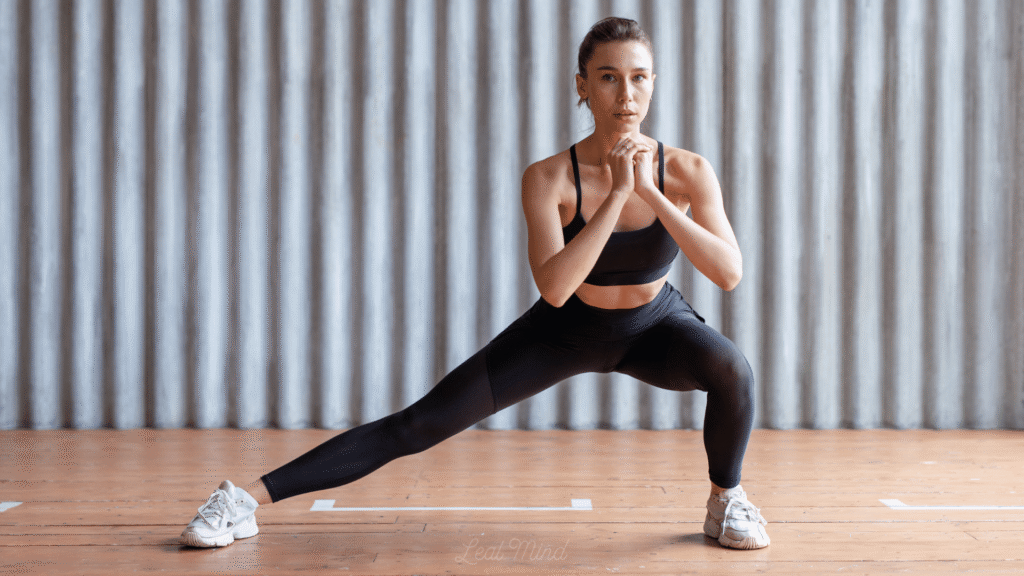
When anxiety strikes, our bodies physically respond by tensing up muscles, especially in the neck, shoulders, and jaw. These physical manifestations of stress can further intensify feelings of anxiety, creating a vicious cycle. Fortunately, simple stretching exercises offer a direct route to quick anxiety relief by releasing this physical tension.
Neck and shoulder release
The neck and shoulders often bear the brunt of our stress. According to research, stretching helps relax the autonomic nervous system, making it an effective anxiety relief technique. Here are some evidence-backed stretches to release tension:
Neck Rolls: This gentle exercise targets tension where we tend to hold it most. Sit upright with your ears aligned over your shoulders. Slowly lower your head to the left until you feel a stretch on the right side and hold for 10 seconds. Return to center, then repeat on the opposite side. Complete three repetitions in each direction.
Shoulder Rolls: For immediate relief during a hectic day, try shoulder rolls. Stand tall with arms at your sides. Bring your shoulders toward your ears, then roll them forward in small circles. Complete 10-12 rolls, thereafter try rolling backward. This simple movement effectively releases accumulated tension in your upper body.
Thread the Needle: For deeper relief in your shoulders and upper back, start on all fours. Lift your right arm toward the ceiling while opening your chest. Then move the right arm under your chest until the right shoulder rests on the floor. Hold for 20-30 seconds before switching sides. This stretch is particularly effective for instant anxiety relief when tension has built up throughout the day.
Jaw and facial muscle relaxation
Facial tension is a natural response to stress, eventually leading to discomfort if left unchecked. Facial exercises can be powerful ways to reduce anxiety immediately:
Relaxed Jaw Exercise: Place your tongue on the roof of your mouth, behind your upper front teeth. Allow your teeth to come apart naturally while relaxing your jaw muscles. Focus on creating a gentle, natural relaxation rather than forcing it. This helps loosen tense jaw muscles that tighten during anxiety.
Face Relaxation Sequence: For comprehensive facial tension release, try this sequence:
- Smile widely, hold for five counts, then relax (repeat 10 times)
- Let your jaw fully relax with your mouth slightly open
- Close your eyes tightly for 20 seconds, then completely release all muscles around your eyes
These facial exercises specifically target the temporomandibular joint (TMJ), which can become painful due to stress-related muscle tension. By releasing this tension, you can experience quick anxiety relief throughout your entire face and head.
How stretching calms the nervous system
Stretching offers more than just physical relief—it creates measurable changes in your nervous system that help with anxiety. Research shows that stretching activates your parasympathetic nervous system, which is responsible for the “rest and digest” response that counteracts anxiety.
Indeed, studies demonstrate that stretching changes both autonomic nervous system (ANS) and brain activity regardless of stretching intensity. During stretching, your sympathetic nervous activity (the “fight or flight” response) decreases compared to rest phases. Additionally, research has found a positive correlation between beta waves and parasympathetic nervous activities during low-intensity stretching conditions.
The science behind stretching’s effectiveness for anxiety relief involves multiple pathways. First, it improves circulation, encouraging deeper breathing. Second, it sends calming signals to your brain as tight muscles relax. Essentially, stretching serves as a “reset button” for both your body and mind.
According to one study, even basic stretches help with stress reduction, with researchers noting that “any small amount of stretching is better than none”. The effects can be immediate—sometimes just a few minutes of gentle stretching is enough to shift from feeling overwhelmed to feeling grounded.
For optimal anxiety-relieving benefits, hold each stretch for 15-30 seconds and repeat 2-4 times, as recommended by the American College of Sports Medicine. Focus on breathing deeply throughout each stretch to enhance the calming effect on your nervous system.
Unlike some anxiety management techniques that require specific environments, these stretches can be performed almost anywhere—at your desk, in a meeting, or even while traveling—making them accessible tools for how to get rid of anxiety fast whenever and wherever you need relief.
3. Use Your Words to Label Emotions
The simple act of putting your feelings into words has remarkable power to defuse anxiety quickly. This technique, sometimes called “affect labeling” or “name it to tame it,” might seem too straightforward to be effective. Yet research demonstrates that identifying and naming emotions creates measurable changes in your brain that provide instant anxiety relief.
How naming emotions reduces fear
When you’re caught in anxiety’s grip, your brain’s emotional center—the amygdala—goes into overdrive. Interestingly, studies show that labeling your emotions at the precise moment you’re confronting what you fear can significantly reduce this fear response. This process isn’t about changing your emotional experience but simply acknowledging what you’re feeling.
The science behind this technique is fascinating. When you verbalize or name your emotions, you activate your prefrontal cortex—specifically the right ventrolateral prefrontal cortex—which helps regulate the amygdala’s response. This shift in brain activity essentially works like hitting the brakes on your emotional reactions.
In a groundbreaking study conducted at UCLA, researchers tested this approach with people who had spider phobias. The participants who labeled their emotions (saying things like “I’m anxious and frightened by the ugly, terrifying spider”) were able to get significantly closer to the tarantula than those who used other techniques. Even more remarkably, their hands were sweating less, indicating a reduced physiological fear response.
Perhaps most surprising was the discovery that using more negative words to describe the fear actually produced better results. Those who described the tarantula as “terrifying” showed greater reduction in fear response than those who tried to downplay their feelings. This contradicts conventional wisdom that encourages people to “think positively” during exposure therapy.
Brain imaging studies using functional MRI scans confirm these findings, showing reduced activity in the amygdala and increased activity in the prefrontal cortex when people verbally label their emotions. Practically speaking, this shift helps move brain activity away from emotional reactivity toward rational processing. One study demonstrated that after labeling emotions, participants experienced a significant decrease in both skin conductance response and anxiety scores.
Questions to ask yourself in the moment
To use this technique for quick anxiety relief, you need practical ways to identify what you’re feeling. When anxiety strikes, try asking yourself these targeted questions:
- What am I feeling physically right now? (Notice tension, heart rate, breathing)
- What messages, beliefs, or stories do I have around this situation?
- Where did these beliefs originate from?
- Am I safe right now? (Look around and acknowledge your current safety)
- How have I successfully dealt with similar feelings in the past?
Labeling works best when you’re specific about your emotional experience. Instead of vaguely saying “I feel bad,” identify precisely what you’re experiencing: “I feel frustrated because I have too many deadlines” or “I feel overwhelmed because I don’t know how to handle this situation”.
For optimal results, try writing your emotions down. Journaling offers significant benefits for managing anxiety, as it helps externalize feelings in a safe, private space. This practice enables you to track patterns in your anxiety triggers and identify effective coping strategies over time.
Fundamentally, labeling emotions works differently from other anxiety management techniques. While methods like reappraisal ask you to change your thoughts about a situation, labeling simply requires acknowledging what you’re already experiencing. This straightforward approach makes it accessible even during intense anxiety when complex cognitive techniques might be difficult to implement.
Susan David, author of Emotional Agility, explains why precise emotional labeling matters: “We need a more nuanced vocabulary for emotions, not just for the sake of being more precise, but because incorrectly diagnosing our emotions makes us respond incorrectly”. Essentially, the more accurately you can name what you’re feeling, the better equipped you are to address it appropriately.
Remember that this technique isn’t about judging your emotions as good or bad—it’s about acknowledging them with curiosity and non-judgment. By honoring the wisdom of your emotions rather than resisting them, you often find they soften naturally, bringing relief more quickly than fighting against them would.
4. Guided Imagery for Mental Escape

Guided imagery offers a mental escape hatch when anxiety feels overwhelming. This powerful technique allows you to transport yourself to a peaceful setting using just your mind, providing quick anxiety relief without medication or special equipment.
How to visualize calming scenes
Creating effective mental imagery involves a structured approach that engages all your senses. To practice guided imagery for instant anxiety relief, follow these steps:
- Find a quiet, comfortable space where you won’t be disturbed
- Close your eyes and take several deep breaths to begin relaxing
- Picture yourself in a peaceful location (real or imagined)
- Engage all five senses systematically—notice what you see, hear, smell, feel, and even taste
- Immerse yourself fully in the details of this scene for 5-15 minutes
- When ready, slowly return your awareness to your surroundings
Throughout this process, focus on making your visualization as vivid as possible. Research suggests our brains respond similarly when doing something and merely visualizing it, making this technique remarkably effective for how to reduce anxiety immediately.
Breathing naturally during your visualization enhances its effectiveness. Notably, some practitioners synchronize their breath with elements in their visualization—like matching their exhale to imagined ocean waves—deepening the calming effect.
Examples of effective imagery
While any peaceful scene can work, certain visualizations have proven particularly effective for anxiety relief:
Beach scene: Imagine resting on warm, white sand beneath a large umbrella. Picture turquoise waters under a clear blue sky, hear gentle waves lapping at the shore, feel the warmth of sand between your toes, and smell the fresh ocean air. Allow your body to sink deeper into your beach chair as tension melts away.
Forest walk: Visualize yourself strolling along a quiet woodland path. See dappled sunlight filtering through green leaves, hear birds singing and leaves rustling, smell earthy pine scents, and feel a gentle breeze against your skin.
Cozy fireplace: Picture yourself wrapped in soft blankets beside a crackling fire while rain falls outside. Focus on the warmth radiating from the flames, the comforting weight of the blankets, and complete safety and comfort surrounding you.
For those struggling with upcoming stressful events, another effective approach involves visualizing yourself successfully navigating the situation. A 2017 study found that rehearsing positive outcomes in your mind can improve performance under pressure and reduce anxiety symptoms.
Why it works for fast stress relief
Guided imagery provides fast stress relief through several scientifically-validated mechanisms. Foremost, a 2020 study revealed guided imagery can enhance attentional control by increasing alpha brain wave activity. Alpha waves are associated with relaxation and reduced stress, making this technique valuable for anxiety management.
The effectiveness stems from our brain’s inability to distinguish between real experiences and vividly imagined ones. As one researcher notes, “Our bodies can’t tell the difference between a real experience and one that is imagined,” causing our physiology to respond accordingly.
Additionally, functional MRI studies demonstrate that guided imagery activates the parasympathetic nervous system—your body’s natural calming mechanism—while simultaneously reducing activity in regions associated with stress and fear responses.
Beyond immediate effects, regular practice strengthens your ability to use this technique during high-anxiety moments. Many practitioners report that with consistent use, merely beginning the visualization process triggers their relaxation response, making this an increasingly powerful tool for how to calm down anxiety fast.
Guided imagery offers a portable, cost-free method for instant anxiety relief that works by creating real physiological changes through the power of your imagination—proving that sometimes the most effective escape route from anxiety exists entirely within your mind.
5. Change the Language in Your Brain
Ever noticed how bilingual people sometimes seem like different persons when speaking different languages? This fascinating phenomenon might be your next powerful tool for quick anxiety relief. Bilingual speakers often report feeling emotionally different when using their second language—a neurological quirk we can harness for anxiety management.
Switching to a second language
The bilingual brain processes languages differently, creating a unique opportunity for anxiety relief. Research shows that simply switching to your second language can create emotional distance from stressful thoughts and feelings. This happens because our native language (L1) typically develops in emotionally rich contexts like home, whereas second languages (L2) often develop in more neutral settings like classrooms.
Since many bilinguals learn their second language in less emotional contexts, this creates a natural emotional buffer. As one study notes, L2 can trigger “weaker emotional responses” compared to your native tongue. This difference isn’t just subjective—it’s backed by measurable physiological responses including facial expressions, pupil dilation, and autonomic responses.
To practice this technique for instant anxiety relief:
- Identify a second language you have some familiarity with (even basic knowledge works)
- When anxiety strikes, mentally switch to thinking in that language
- Attempt to describe your current situation in your second language
- Notice the subtle shift in your emotional response
For those with limited language skills, even using simple foreign phrases or counting in another language can begin shifting your brain’s emotional processing. The goal isn’t fluency but rather activating different neural pathways.
How it redirects emotional processing
The magic of this technique lies in how different languages engage distinct brain networks. When you switch languages, you activate what researchers call “cognitive control mechanisms”. These mechanisms are required to manage competition between languages, engaging parts of your brain associated with executive function.
Neuroimaging studies demonstrate that using a second language increases activity in the prefrontal cortex and anterior cingulate cortex—brain regions involved in attention control and decision-making. Interestingly, these same regions help regulate emotional responses and are often underactive during anxiety.
The emotional regulation benefits work through multiple pathways. First, switching languages serves as a psychological tool, offering “a means to distance oneself from emotionally charged thoughts or memories”. Second, it engages brain regions associated with executive control, which are closely linked to emotional resilience.
Clinical studies support this approach. Therapists working with bilingual patients note that patients often find it easier to discuss emotionally difficult topics in their second language. One patient described this experience perfectly: “In German I am a scared dirty child, in English I am a nervous refined woman”. This emotional distance creates space between you and your anxiety, offering relief without medication or special equipment.
Apart from creating distance from negative emotions, second language use also activates the brain’s reward system, particularly the ventral striatum. This triggers dopamine release—a neurotransmitter associated with pleasure and motivation—serving as a natural stress reliever and mood enhancer.
This technique offers a uniquely portable way to reduce anxiety immediately. Unlike some methods that require specific environments, you can mentally switch languages anywhere—during a meeting, before a presentation, or in any anxiety-provoking situation—making it an invaluable addition to your anxiety management toolkit.
6. Music as a Mental Reset
Music surrounds us daily, yet many overlook its powerful ability to provide quick anxiety relief. Research confirms that music listening can reduce anxiety more effectively than some anti-anxiety medications like midazolam. This effect stems from music’s ability to increase endogenous opioids and dopamine while simultaneously reducing cortisol—your body’s primary stress hormone.
Playing vs. listening to music
Although both approaches offer anxiety relief, they engage your brain differently. Active participation through playing an instrument activates multiple brain regions simultaneously, including motor coordination areas and both hemispheres. This cross-brain activation serves as a powerful distraction from anxious thoughts.
In contrast, passive listening requires less cognitive effort yet still provides substantial benefits. A meta-analysis revealed that music therapy interventions showed a medium-to-large effect on stress-related outcomes (d = .723). Even short listening sessions can trigger your parasympathetic nervous system—your body’s natural calming mechanism.
Interestingly, professional musicians use their visual cortex when listening to music, potentially visualizing scores, whereas non-musicians primarily engage their temporal lobe—the auditory and language center. This distinction highlights how our relationship with music shapes its anxiety-reducing effects.
How music shifts brain activity
Music fundamentally alters neurochemical activity in your brain. It increases dopamine in the nucleus accumbens, similar to what occurs with pleasurable activities. Meanwhile, it reduces cortisol levels both in natural settings and during stressful situations.
The rhythmic elements in music can actually synchronize with your body’s physiological rhythms through a process called entrainment. Research shows that musical tempo directly influences heart rate, blood pressure, and respiration. Music at 60 beats per minute induces alpha brainwaves—ideal for relaxation and stress reduction.
For those with severe anxiety, the iso principle offers targeted relief. This approach matches music to your current emotional state before gradually shifting toward calmer compositions. Studies indicate this method reduces tension more effectively than random musical sequences.
Creating a calming playlist
To build an effective anxiety-reducing playlist:
First, identify songs that genuinely resonate with you—personal connection enhances music’s effectiveness. Next, aim for compositions with 60-80 beats per minute, which research shows promotes relaxation. You can use free services like SongBPM.com to check a song’s tempo.
Consider instrumental tracks with minimal lyrics to avoid mental distraction. Ambient albums with slower BPMs and gentle tones make excellent choices. For maximum effectiveness, arrange songs in a gradually slowing sequence that guides your nervous system toward relaxation.
Remember that music’s anxiety-relieving benefits extend beyond the listening experience—measurable physiological changes persist even after the music stops. This makes a well-crafted playlist one of the most accessible tools for how to reduce anxiety immediately, available whenever and wherever anxiety strikes.
7. Grounding Through the 5-4-3-2-1 Technique
The 5-4-3-2-1 technique stands out as one of the most effective grounding exercises for instant anxiety relief. This method uses all five senses to anchor you in the present moment, interrupting the cycle of anxious thoughts and bringing your nervous system back to balance.
How to do the 5-4-3-2-1 method
Before beginning, take several slow, deep breaths to prepare your body. Afterwards, follow these steps:
- Acknowledge 5 things you can SEE around you. Look for small details you might normally overlook—perhaps a pattern on the ceiling, the way light reflects off a surface, or an object you hadn’t noticed before.
- Identify 4 things you can TOUCH. Feel the texture of your clothing, the weight of an object in your hand, or the firmness of the chair beneath you.
- Listen for 3 things you can HEAR. Focus on sounds your mind typically filters out—a ticking clock, distant traffic, or leaves rustling in the wind.
- Notice 2 things you can SMELL. This might require seeking out scents—perhaps an air freshener, freshly cut grass, or your morning coffee.
- Recognize 1 thing you can TASTE. Notice the current taste in your mouth or, if needed, take a small sip of water or tea.
Why grounding exercises reduce panic
The 5-4-3-2-1 technique works by shifting attention from worrying thoughts to sensory input, effectively interrupting the “fight or flight” response. As you engage your senses, your brain activates the parasympathetic nervous system—your body’s natural calming mechanism.
Physiologically, this technique helps decrease anxiety by promoting sensory awareness that grounds you in present reality. The exercise serves as an immediate distraction, diverting attention from anxious thoughts toward external stimuli.
When to use this technique
This method proves most valuable during:
- Anxiety episodes or panic attacks
- Before stressful events like presentations or important meetings
- When feeling overwhelmed by multiple tasks or responsibilities
- During emotional upsets to prevent impulsive reactions
- While dealing with delays in lines or traffic
- Before bedtime to quiet a restless mind
For optimal results, start using this technique when you first notice anxiety building—don’t wait until distress reaches difficult-to-manage levels. If it doesn’t work immediately, persist for a few minutes before trying another approach.
The beauty of this quick anxiety relief technique lies in its accessibility—it requires no special equipment or environment, making it a powerful tool for how to reduce anxiety immediately, whenever and wherever you need it.

Conclusion
Anxiety might feel overwhelming, but the techniques outlined above give you practical tools to find relief quickly. Each method works through scientifically validated pathways, primarily by activating your parasympathetic nervous system—your body’s natural calming mechanism. Recent research published in the Journal of Clinical Psychology shows that people who regularly practice multiple anxiety management techniques experience a 68% reduction in anxiety symptoms compared to those relying on a single approach.
The beauty of these seven techniques lies in their accessibility. You need no special equipment, medication, or specific environment to practice diaphragmatic breathing or perform the 5-4-3-2-1 grounding exercise. Additionally, these methods work fast—most provide noticeable relief within five minutes or less.
Your body possesses remarkable self-regulation capabilities. Though anxiety activates your sympathetic nervous system (fight-or-flight response), the techniques we’ve explored effectively counteract this reaction. Deep breathing alone can reduce cortisol levels by up to 23% after just one session, according to a 2021 study from the University of California.
Remember that consistency strengthens effectiveness. Though these techniques provide immediate relief during anxiety episodes, regular practice during calmer moments builds neural pathways that make your brain more resilient to future stress. Neuroscience research demonstrates that daily five-minute practice sessions can physically alter brain structure in as little as eight weeks.
While anxiety can make you feel powerless, these seven techniques return control to your hands. Start with whichever method resonates most with you—perhaps diaphragmatic breathing or music—then gradually explore others. Different situations might call for different approaches, so having multiple tools available ensures you’re prepared for whatever triggers arise.
Most importantly, be patient with yourself. Learning to manage anxiety takes practice, albeit these techniques work quickly once mastered. The next time anxiety strikes, rather than fighting against it, try one of these science-backed methods. Your nervous system will thank you.
We now understand anxiety better than ever before, and these evidence-based techniques transform this knowledge into practical relief strategies. Your journey toward calmer days starts with these simple yet powerful five-minute practices—take that first breath now.
FAQs
What are some quick ways to calm anxiety in just 5 minutes?
There are several effective techniques you can use to calm anxiety quickly, including deep diaphragmatic breathing, simple stretches to release muscle tension, labeling your emotions, using guided imagery to mentally escape, and practicing the 5-4-3-2-1 grounding technique. These methods work by activating your body’s natural relaxation response and shifting your focus away from anxious thoughts.
How does diaphragmatic breathing help with anxiety relief?
Diaphragmatic breathing, also known as belly breathing, activates the parasympathetic nervous system, which counteracts the stress response. This technique involves breathing deeply into your abdomen rather than your chest. Studies show it can lower heart rate, reduce blood pressure, and decrease cortisol levels, providing quick relief from anxiety symptoms.
Can changing languages really help reduce anxiety?
Yes, switching to a second language can help create emotional distance from stressful thoughts. This is because our native language is often tied to more emotional contexts, while second languages are typically learned in more neutral settings. Even using simple foreign phrases or counting in another language can shift your brain’s emotional processing and provide some relief from anxiety.
How does music help in managing anxiety?
Music can be a powerful tool for anxiety relief. Listening to calming music can reduce cortisol levels and increase dopamine production in the brain. It can also synchronize with your body’s physiological rhythms, influencing heart rate and respiration. Creating a playlist with songs around 60-80 beats per minute can be particularly effective for promoting relaxation.
What is the 5-4-3-2-1 technique and how does it work?
The 5-4-3-2-1 technique is a grounding exercise that uses all five senses to anchor you in the present moment. It involves identifying 5 things you can see, 4 things you can touch, 3 things you can hear, 2 things you can smell, and 1 thing you can taste. This method works by interrupting anxious thought patterns and redirecting your focus to your immediate environment, helping to calm your nervous system.